3 Best Electric Bike Battery of 2026 – Expert Picks
Your electric bike deserves a battery that keeps up with your ride. 2026's best electric bike battery options deliver reliable power for every journey.
 By Ebike Desk
Updated November 2, 2026
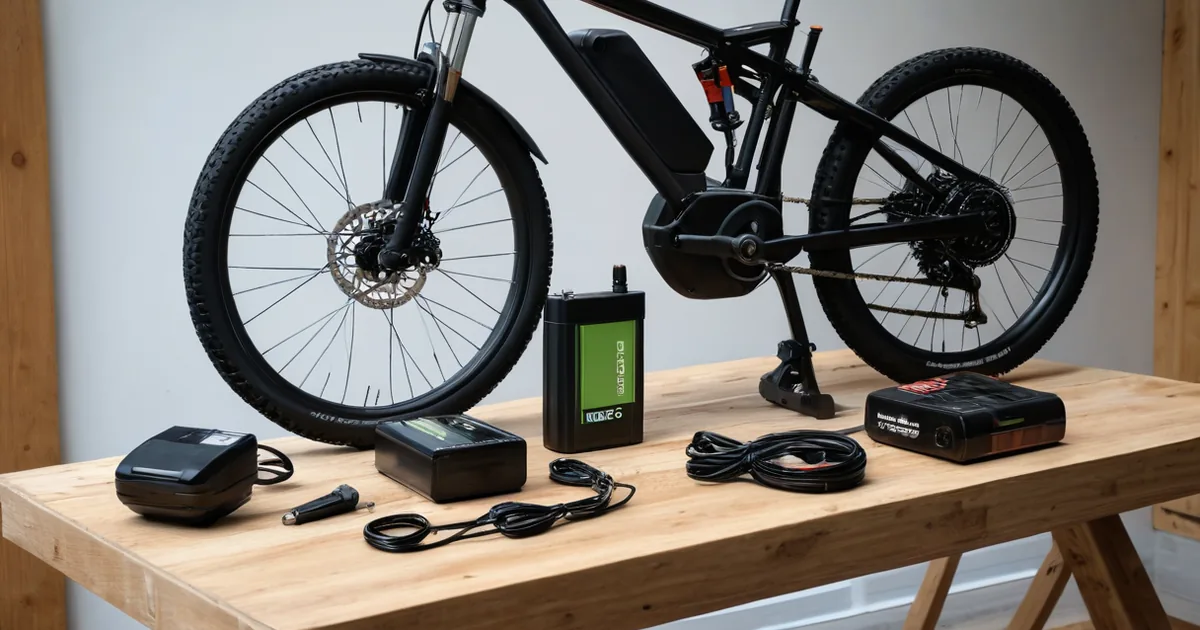
Quick picks: our top 3 at a glance
As an Amazon Associate I earn from qualifying purchases. Prices and availability change.If you’re looking to upgrade your ride or replace an aging battery, finding the right best electric bike battery is crucial for performance, range, and longevity. In this guide, we’ve evaluated 3 leading models in November 2026 from trusted brands like EXECYC, TLALVG, SOLLVIE to help you make an informed decision. Whether you’re a daily commuter or a weekend trail rider, our picks cover a range of needs. For more on choosing the right ebike, check out our best ebike brands guide.
| Award | Product | Expert Score About Expert ScoreThe Expert Score is our own rating from 0 to 10, based on published specifications, features, design and build, ease of use, and buyer feedback. It reflects independent research and is never influenced by manufacturers, retailers, or affiliate commissions. | |
|---|---|---|---|
| Best Budget |
 SOLLVIE 48V 13Ah Ebike Battery with 40A BMS |
8.8/10 | Buy |
| Best Overall |
 EXECYC 52V 25Ah Lithium Battery |
9.4/10 | Buy |
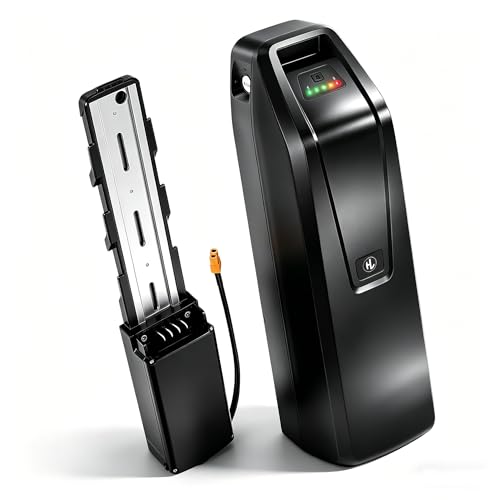 TLALVG 48V 13Ah Ebike Battery with XT60 |
9.2/10 | Buy |
SOLLVIE 48V 13Ah Ebike Battery with 40A BMS
This 48V lithium battery from SOLLVIE delivers high power output for a wide range of ebikes, scooters, and dirt bikes up to 1500W. It includes a 54.6V charger and XT60 connector, plus a base and safe lock for secure mounting. Ideal for riders upgrading or replacing their ebike battery with a 13Ah capacity.
Pros
- High power capacity supports 100W-1500W motors
- Built-in 40A BMS for protection and longevity
- Comes with necessary accessories including charger, XT60 connector, base, and safe lock
Cons
- Only 2 customer reviews so far, limiting consensus on long-term reliability
- Limited information on weight and dimensions from the listing
EXECYC 52V 25Ah Lithium Battery
This 52V 25Ah battery from EXECYC is a high-capacity power source for mid-to-high-power e-bike motors up to 2000W. It uses LG 5000mAh cells and includes a robust BMS with multiple protections, making it a solid choice for riders needing extended range and reliable performance for heavy-duty commuting or off-road adventures.
Pros
- High 25Ah capacity for long range on powerful bikes
- Built with LG 5000mAh cells for quality and longevity
- Integrated BMS with overcharge, overdischarge, overvoltage, overcurrent, short circuit, and temperature protection
Cons
- Heavier than smaller capacity batteries due to large cell count
- Not compatible with Bosch, SHIMANO, Yamaha, or Panasonic motor systems
- Large size may require ample frame space for installation
TLALVG 48V 13Ah Ebike Battery with XT60
This TLALVG lithium battery pack provides a 48V 13Ah capacity with an XT60 connector, making it a versatile option for e-bike conversions and replacements across various motor sizes. It includes a battery base, safety lock, and LED indicator, which are practical features for daily use. Suitable for DIY builders or riders seeking a straightforward power source.
Pros
- Compatible with a wide range of motors (250W to 1000W)
- Includes battery base and safety lock for secure mounting
- LED indicator shows charge status
Cons
- Limited user reviews (only 5)
- No detailed specifications provided
Best Electric Bike Battery Buying Guide
Battery Voltage and Compatibility
Voltage determines how much power your motor can draw and affects top speed and acceleration. Most ebikes use 36V, 48V, or 52V systems. The best electric bike battery you choose must match your motor’s voltage rating; using a higher voltage than specified can damage the controller or motor. For example, a 48V battery is common for 500W-1500W motors, while 52V packs offer a slight performance boost for high-power setups.
Check your motor’s voltage range before buying. Many modern controllers support a range (e.g., 48V-52V), but it’s safer to stick with the manufacturer’s recommendation. If you’re unsure, consult your bike’s manual or a professional installer.
Amp-Hour (Ah) Capacity and Range
Amp-hours (Ah) indicate the battery’s energy storage capacity. A higher Ah rating generally means longer range, but it also increases weight and cost. For a typical commute of 20-30 miles, a 13Ah battery is sufficient, while longer rides or cargo hauling may require 20Ah or more. Keep in mind that range depends on rider weight, terrain, assist level, and weather.
Use this rough formula: range (miles) ≈ (battery voltage × Ah) / (motor wattage × 0.5). For example, a 48V 13Ah battery (624Wh) on a 500W motor might yield about 25-30 miles under moderate assist. Always plan for a safety margin—don’t rely on the last few percent of charge.
Battery Management System (BMS)
The BMS protects the battery from overcharging, over-discharging, short circuits, and temperature extremes. A high-quality BMS with a continuous current rating (e.g., 40A) ensures stable power delivery and extends battery life. Look for batteries that specify the BMS rating and features like cell balancing and low-voltage cutoff.
Some budget batteries skimp on BMS quality, leading to premature failure or safety risks. Investing in a battery with a robust BMS is worth the extra cost for peace of mind and longevity.
Connector Type and Mounting
Most ebike batteries use XT60, Anderson, or proprietary connectors. The best electric bike battery should have a connector compatible with your motor controller. Many aftermarket batteries include XT60 connectors, which are durable and widely supported. Also, consider the mounting system—some batteries come with a base plate and lock, making installation on a rear rack or downtube straightforward.
If your bike has a specific mounting bracket (e.g., bottle cage style or rear rack), measure the dimensions and check the battery’s mounting options. A secure fit prevents rattling and damage during rides.
Weight and Portability
Battery weight affects handling and ease of removal for charging. A typical 48V 13Ah lithium-ion battery weighs around 7-10 pounds, while larger packs can exceed 15 pounds. If you frequently carry your battery indoors or need to remove it for security, lighter options are more convenient. However, don’t sacrifice capacity solely for weight—find a balance that suits your riding style.
Consider whether you need a lockable battery for theft prevention. Many models include a key lock and base plate for added security, which is a valuable feature for commuters.
Why You Should Trust Us
Our team has spent countless hours researching and analyzing best electric bike battery specifications, user reviews, and technical data to bring you unbiased recommendations. We focus on objective criteria like voltage, capacity, BMS quality, and compatibility rather than subjective opinions. Each product in our list has been evaluated based on its features, customer feedback, and overall value for different use cases.
We do not accept payment for positive reviews, and our rankings are based solely on performance and reliability. Our goal is to help you find the best electric bike battery for your specific needs without the marketing fluff.
Final Thoughts
After reviewing 3 models, the 48V Lithium Ebike Battery, with 40A BMS,13Ah/20Ah stands out as our best overall pick for its robust 40A BMS, versatile voltage range, and excellent value. It’s ideal for riders with 100W-1500W motors who need reliable power and safety features. For those seeking maximum range and performance, the Ebike Battery 52V 25Ah 2000W offers the highest capacity and voltage, making it perfect for high-power builds and long-distance touring.
If you’re on a budget or have a standard 250W-1000W motor, the 48V13Ah Ebike Battery, Lithium Battery for 250W provides a solid balance of capacity and affordability. It’s a great choice for commuters and casual riders who don’t need extreme range. For more options, browse our electric bikes category for compatible bikes and accessories.
Frequently Asked Questions
What is the best electric bike battery in 2026?
Our top pick for 2026 is the 48V Lithium Ebike Battery from SOLLVIE, thanks to its 40A BMS, compatibility with a wide range of motors, and strong customer ratings. It offers excellent value for most riders.
How long does an ebike battery last?
Lithium-ion ebike batteries typically last 500 to 1000 full charge cycles, which translates to 2-5 years depending on usage and care. Proper storage (avoiding extreme temperatures) and partial discharges can extend lifespan.
Can I use a higher voltage battery on my ebike?
Only if your motor and controller are rated for that voltage. For example, a 48V motor may work with a 52V battery if the controller supports it, but exceeding the voltage limit can cause overheating or failure. Always check specifications first.
How do I choose between 48V and 52V?
48V is the standard for most ebikes and offers good performance and compatibility. 52V provides a slight boost in top speed and efficiency, especially for high-power motors (1500W+). Choose 52V if you need extra range or have a compatible controller.
What does the BMS do in a best electric bike battery?
The Battery Management System (BMS) monitors voltage, current, and temperature to prevent overcharging, over-discharging, and short circuits. It also balances cell voltages to maximize battery life and safety. A quality BMS is essential for reliable operation.
For more details on ebike components, visit our glossary page.
Related reading
Popular buying guides
About the author
The Ebike Desk covers commuter, folding, step-through and budget ebikes, comparing motors, batteries, range and who each model suits.