Engwe vs Aniioki vs Philodo: Which Direct-to-Consumer E-Bike Fits You?
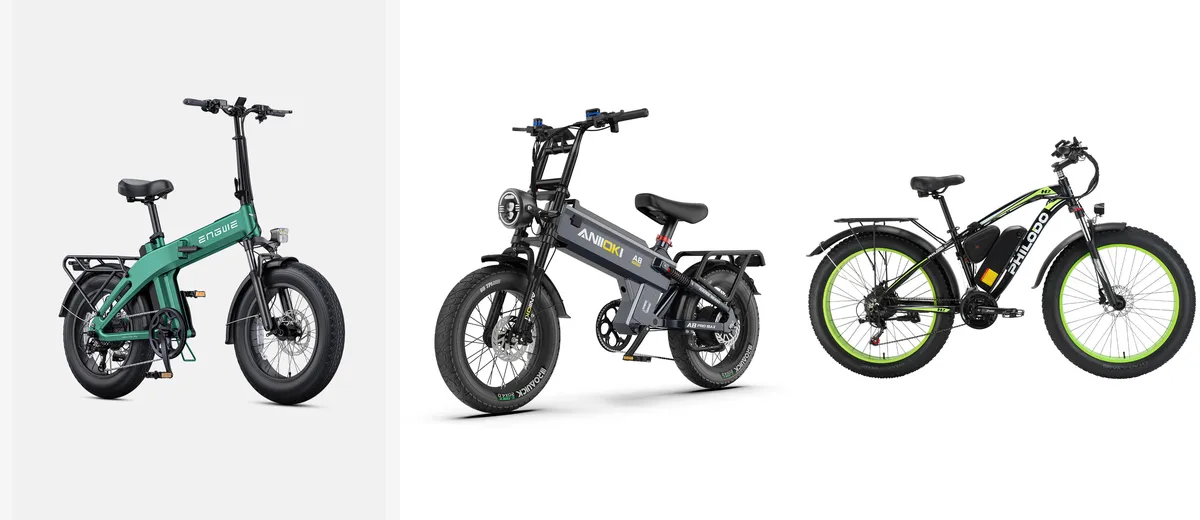
A side-by-side look at one popular model each from Engwe, Aniioki and Philodo, using only the specs the brands state on their own pages.

Affiliate disclosure: some links in this guide are affiliate links. If you buy through them we may earn a commission at no extra cost to you. Specs below are the manufacturers’ own claims from their product pages, not our measurements.
Engwe, Aniioki and Philodo sell e-bikes straight to riders through their own websites instead of through big bike chains. Their bikes all lean toward fat tires and big batteries, so they get compared a lot. This guide puts one popular model from each brand side by side, using only what each company states on its page, so you can see who each bike suits and what to check before you buy.
Quick comparison
| Spec (as stated by the brand) | Engwe EP-2 3.0 | Aniioki A8 Pro Max 52V | Philodo H7 Pro |
|---|---|---|---|
| Style | Folding, step-through, fat tire commuter | Fat tire, rear and front suspension | All-terrain fat tire |
| Motor | 750W rated, 1500W peak | 1600W rated, 2000W peak (page also shows 1200W in the header) | 1000W rated |
| Battery | 48V 15Ah (720Wh) | 52V 70Ah (3640Wh) | 48V 17.5Ah (840Wh) |
| Claimed range | Up to 65 miles in the lowest assist level | 170-210 miles with pedal assist (70-90 miles by mode) | 53-88 km in the spec table; about 35 miles with pedal assist |
| Top speed | 28 mph | 28+ mph | 50 km/h (can be limited below 25 km/h) |
| Brakes | Tektro hydraulic disc, 180mm | Hydraulic disc, 4-piston, 180mm | Front and rear hydraulic disc |
| Tires | 20 x 4.0 in | 20 x 4.0 in | 26 x 4.0 in |
| Weight / max load | 75.4 lb / 330 lb | Weight not stated / 400 lb | Weight not stated / 330 lb |
| Warranty (per page) | See product page | 1 year plus technical support | 1 year on frame, parts and battery |
Range and speed numbers are best-case claims. Real range depends on rider weight, terrain, assist level and temperature.
Engwe EP-2 3.0: the folding commuter
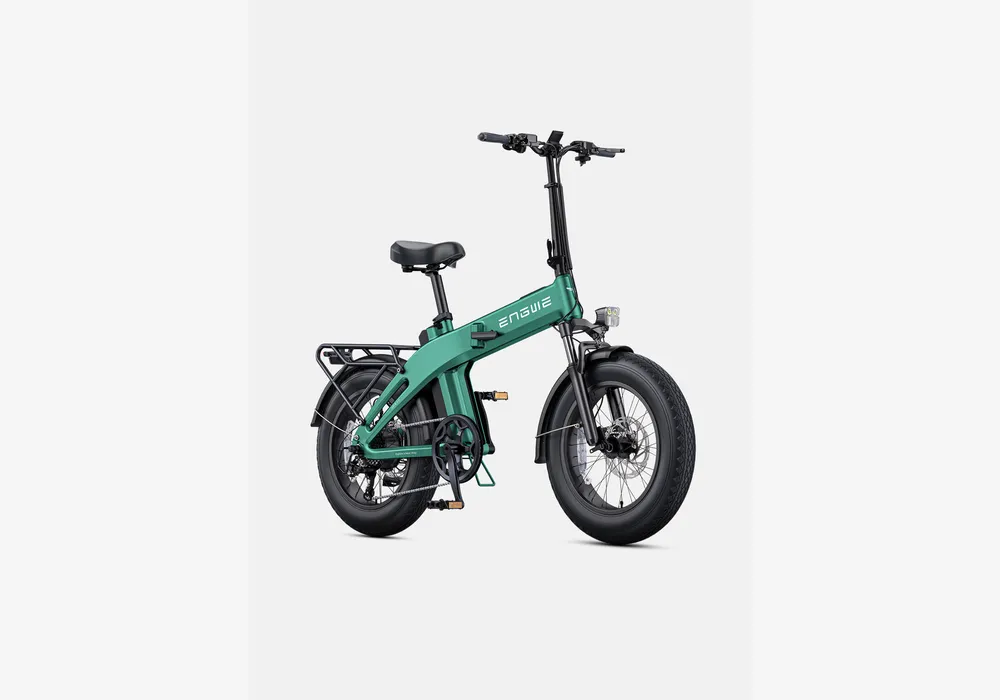
The EP-2 3.0 is the lightest and most compact of the three on paper: a step-through magnesium alloy frame that folds, with a hydraulic fork, a color display and a battery built into the frame. The brand lists a 28 mph top speed and a torque sensor. If you live in an apartment, take the bike in a car trunk or want easy mounting and dismounting, the folding frame is the main reason to look at it.
Things to check: the 65 mile range is quoted for the lowest assist level, so expect less when you use stronger assist. At 75 lb it is still heavy to carry upstairs.
See the Engwe EP-2 3.0 on Engwe’s US site
Aniioki A8 Pro Max 52V: the big-battery cruiser
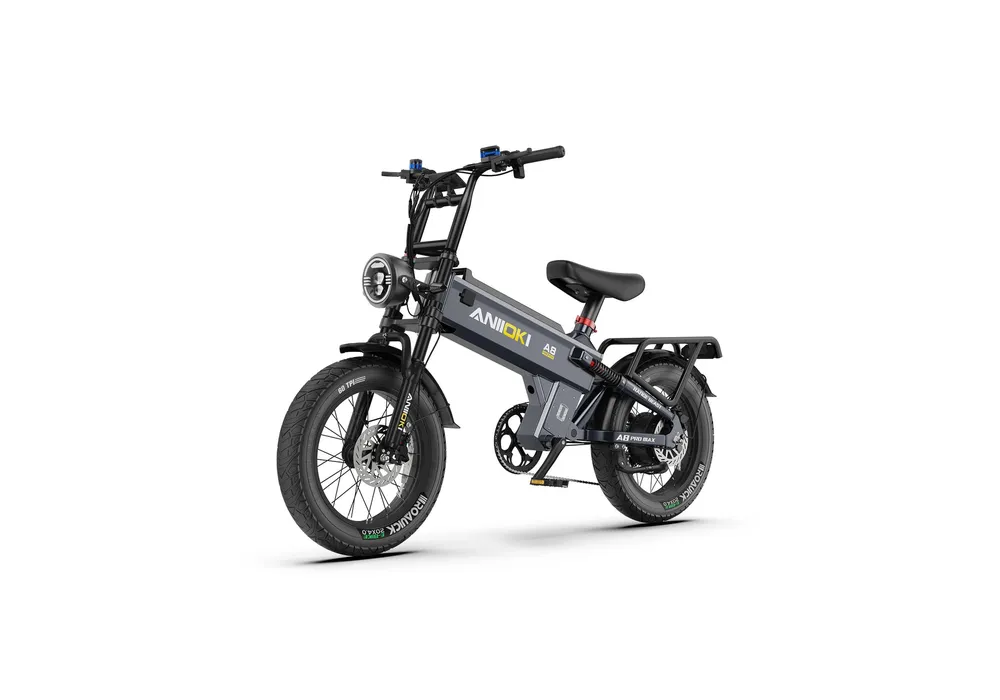
Aniioki’s page leads with the battery: 52V and 70Ah, which is 3640Wh, several times the capacity of the other two. The brand claims up to 210 miles of pedal-assist range, a 400 lb payload and 4-piston hydraulic brakes. It is built for riders who want the longest ride between charges and a bike that carries a heavy load.
Things to check: the page is inconsistent about motor power (1200W in the header, 1600W rated in the spec list), so confirm the exact figure with the seller. A battery this large adds weight, and the weight is not stated. The motor power is also well above the 750W level that many US states use when they classify a bike as an e-bike, so check your local rules before you buy.
See the Aniioki A8 Pro Max 52V on Aniioki’s site
Philodo H7 Pro: the all-terrain middle ground
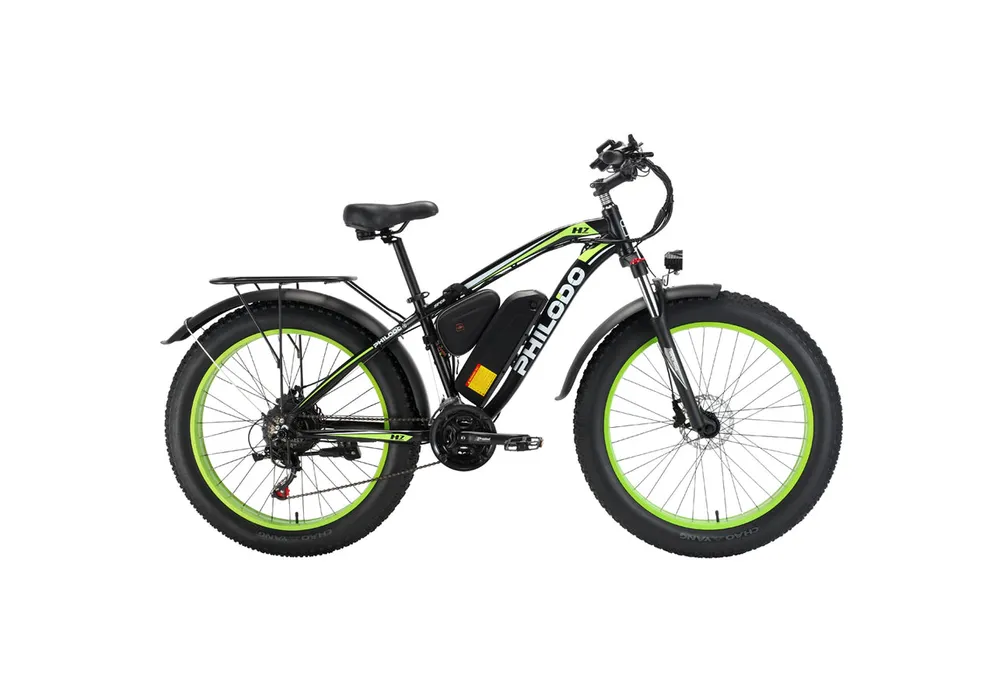
The H7 Pro has the biggest wheels of the group (26 x 4.0 inch fat tires), a 1000W geared hub motor, an 840Wh battery and a front fork with lockout. Philodo lists a 330 lb load limit and a 1 year warranty on frame, parts and battery separately. It suits riders who want a full-size fat tire bike for trails, gravel and sand rather than a folder.
Things to check: the range is given as 53-88 km in one place and about 35 miles in another, so compare carefully. The 1000W motor is above the 750W limit used by many e-bike rules, and weight is not stated.
See the Philodo H7 Pro on Philodo’s site
Which one fits you?
- Small space, car trips, easy step-over: Engwe EP-2 3.0, because it folds and has a step-through frame.
- Longest range and heavy loads: Aniioki A8 Pro Max 52V, because of the 3640Wh battery and 400 lb payload.
- Trails and rough surfaces on bigger wheels: Philodo H7 Pro, with 26 inch fat tires and a lockout fork.
Before you buy any direct-to-consumer e-bike
- Check local rules. Many US states classify e-bikes by motor power and assisted speed. A bike with a motor above 750W or a top speed above 28 mph may not count as an e-bike where you ride.
- Ask about service. Direct brands ship the bike to you, so find out how warranty claims, spare parts and repairs work in your country before you order.
- Check the assembly and size. Look at the rider height range and the delivered condition (partly assembled bikes may need a bike shop).
- Read the battery details. Voltage, amp hours and cell warranty tell you more than the range claim.
- Look for safety certification. Engwe lists UL certification on the EP-2 3.0 page. Look for similar information on any bike you consider.
Frequently asked questions
Are Engwe, Aniioki and Philodo real direct-to-consumer brands?
Each brand runs its own online store and ships to riders. Read each site’s shipping, returns and warranty pages for your country.
Is a bigger battery always better?
Not always. A larger battery gives more range but adds weight and cost, and some bikes limit assist so the full battery is rarely used. Match the battery to how far you ride between charges.
Do I need a license or registration?
It depends on where you live and the bike’s motor power and speed. Check your state or local rules before you buy a high-power model.
Want a cheaper option or a different style? See our other comparisons and guides.
