E-Bike Laws in California (2026): Classes, Helmets, Age and Where to Ride
This guide summarizes California’s e-bike rules from official sources (listed at the bottom). It is general information, not legal advice....

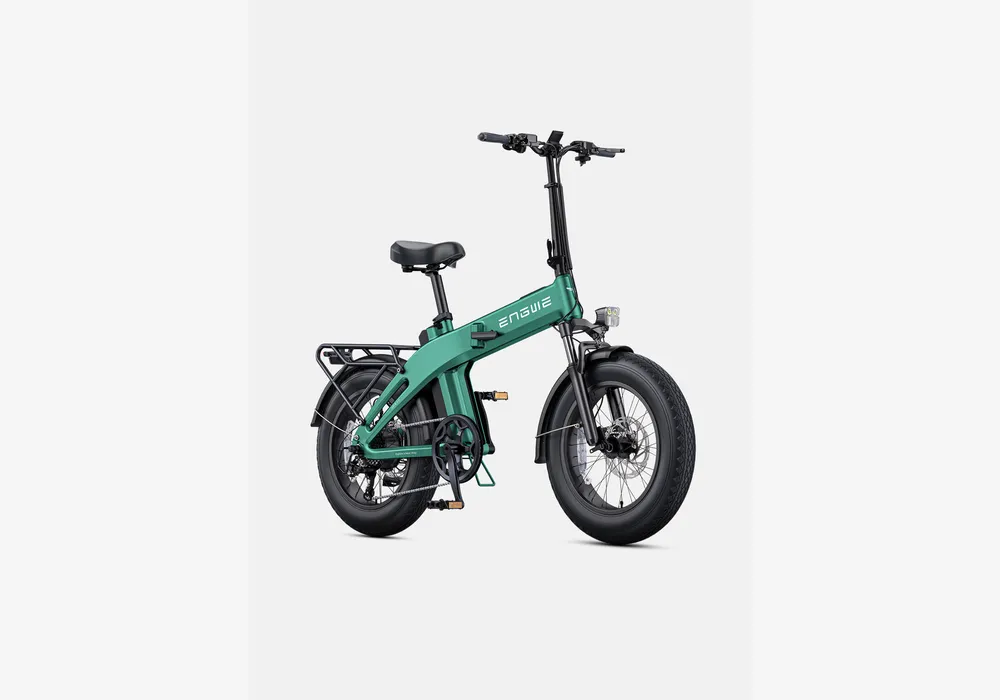
This guide summarizes California’s e-bike rules from official sources (listed at the bottom). It is general information, not legal advice. Rules can change and cities, counties and park agencies can add their own, so check local rules before you ride. Some links in this guide are affiliate links; if you buy through them we may earn a commission at no extra cost to you.
California treats most e-bikes like regular bicycles: no driver’s license, no registration, no plates and no insurance. But the state sorts e-bikes into three classes, sets different rules for Class 3, and limits what counts as an “electric bicycle” at all. This page covers the rules that matter most to riders and to anyone shopping for a bike.
Quick answers
| Question | California answer | Source |
|---|---|---|
| What is an e-bike? | A bicycle with fully operable pedals and an electric motor that does not exceed 750 watts | Vehicle Code 312.5 |
| Class 1 | Motor assists only while pedaling; assistance stops at 20 mph | Vehicle Code 312.5 |
| Class 2 | Motor can propel the bike without pedaling (throttle); no assistance above 20 mph | Vehicle Code 312.5 |
| Class 3 | Pedal assist only; assistance stops at 28 mph; must have a speedometer | Vehicle Code 312.5 |
| Minimum age | 16 to ride a Class 3. No state minimum age is listed for Class 1 and 2. | Vehicle Code 21213(a); CHP bulletin |
| Helmet | Required for everyone on a Class 3 (riders and passengers); required for anyone under 18 on any bicycle, including an e-bike | Vehicle Code 21213(b), 21212(a) |
| License, registration, plates, insurance | Not required for an electric bicycle | Vehicle Code 24016(b), per CHP |
The three classes in plain English
The class decides where the bike’s motor stops helping and whether you need a helmet or a minimum age. In California law, the label on the bike matters: manufacturers must permanently label each e-bike with its class number, top assisted speed and motor wattage (Vehicle Code 312.5(c)). If a bike does not carry a label that fits one of the three classes, ask the seller how it is classified.
- Class 1 is pedal assist up to 20 mph. It can have a “walk mode” that moves the bike up to 3.7 mph on motor power alone.
- Class 2 has a throttle that can power the bike without pedaling, with assistance stopping at 20 mph.
- Class 3 is pedal assist up to 28 mph and must have a speedometer. Riders must be 16 or older and everyone aboard must wear a helmet.
Where you can ride
According to the California Highway Patrol, e-bikes of all classes can be ridden anywhere a bicycle can be ridden, with two exceptions (Vehicle Code 21207.5):
- A local authority or public agency that manages an equestrian, hiking or recreational trail can ban e-bikes, or a class of e-bike, on that trail by ordinance.
- The California Department of Parks and Recreation can ban e-bikes, or a class of e-bike, on bicycle paths and trails it manages.
In practice that means a path that is fine for a Class 1 in one city may be closed to e-bikes in the next county. Look for signs and check the website of the park or trail you plan to use. E-bikes must also have a red rear reflector, or a red light with a built-in reflector, visible from 500 feet (Vehicle Code 21201(f), per CHP).
What does not count as an e-bike
This is the part that matters most when you shop. Under California law, a vehicle is not an electric bicycle if it is:
- a two or three wheeled vehicle with an electric motor that the manufacturer intends to be modifiable to go faster than 20 mph on motor power alone, or to exceed 750 watts;
- a vehicle that has been modified to go faster than 20 mph on motor power alone or to have more than 750 watts; or
- a vehicle modified to have its pedals removed.
The state also prohibits tampering with an e-bike to change its speed capability unless the correct new class label is applied, and bans selling devices that modify an e-bike’s speed so that it no longer meets the definition. A vehicle that is not an e-bike may be treated as a motor vehicle or an off-highway vehicle, which can mean registration, a license endorsement and insurance rules, and removal by police in some cases (CHP bulletin, May 2026).
Helmets and age in more detail
Under 18? You must wear an ASTM or CPSC approved helmet on any bicycle, including an e-bike. On a Class 3, every rider and passenger must wear one regardless of age, and no one under 16 may operate a Class 3 (Vehicle Code 21213). Police can remove a Class 3 e-bike operated by someone under 16.
Which e-bikes fit California’s rules?
We cannot tell you how a bike will be classified, because that depends on the exact model, settings and label. What we can do is compare each brand’s stated motor rating with California’s 750 watt limit, using only what the brand’s own page says. Always check the class label and ask the seller to confirm.
| Model (brand’s page) | Motor as stated | Top speed as stated | What to check for California |
|---|---|---|---|
| Engwe EP-2 3.0 | 750W rated (1500W peak per our earlier review) | 28 mph | Rated power is at the 750W line; ask Engwe which class it is sold as and how the speed is limited. |
| Engwe Engine Pro 2.0 | 750W rated, 1200W peak (brand page) | 20 mph in throttle mode, 28 mph in pedal assist (brand page) | Rated power is at the 750W line. Ask Engwe how it is classified and labeled for California. |
| Aniioki A8 Pro Max 52V | 1600W (peak 2000W) | 28+ mph | Above 750W, so it may not meet California’s e-bike definition. |
In short: bikes rated at or below 750W with a clear class label are the safest fit for California’s rules. Bikes rated above 750W are sold in the U.S. as powerful e-bikes, but they may not be e-bikes under California law, and that can change where you can ride them and what rules apply. Do not modify a bike to remove speed limits. If you want a deeper look at one of these models, read our Engwe vs Aniioki vs Philodo comparison.
E-bike incentives
California has run a state e-bike incentive project through the California Air Resources Board for income eligible residents. Application windows, funding and eligibility change, so check the official program page for current status before you plan a purchase around it.
FAQ
Do I need a license to ride an e-bike in California?
No. The CHP says insurance, a driver’s license, registration and license plates are not required for riding an electric bicycle.
Can I ride an e-bike on the sidewalk or a bike path?
E-bikes may be ridden where bicycles may be ridden, but local authorities and park agencies can restrict them on some trails and paths. The state sources we checked do not address sidewalks, so check your city or county code.
Is a 1000W or 1500W e-bike legal in California?
The state definition says the motor does not exceed 750 watts. A bike above that may not count as an electric bicycle under California law. Ask the seller how the bike is classified before you buy.
What age do I need to be?
To ride a Class 3 e-bike you must be at least 16. The sources we checked list no state minimum age for Class 1 and 2, but anyone under 18 needs a helmet.
Sources (official)
- California Vehicle Code section 312.5 (electric bicycle definition and classes), leginfo.legislature.ca.gov, read 19 October 2026; amended effective 1 January 2025.
- Vehicle Code section 21213 (Class 3 age and helmet), leginfo.legislature.ca.gov.
- Vehicle Code section 21212 (helmets under 18), leginfo.legislature.ca.gov.
- Vehicle Code section 21207.5 (where e-bikes may be ridden), leginfo.legislature.ca.gov; amended effective 1 January 2023.
- California Highway Patrol, Information Bulletin: Electric Bicycles and Other Devices (dated 27 May 2026) and Motorcycles and Similar Vehicles page.
- California Air Resources Board, California E-Bike Incentive Project (check for current status).
Last updated: 19 October 2026. Laws change; confirm with the official sources and your local government.
More guides you may like
Popular buying guides
Get Black Friday deal alerts
We will email you when prices drop on products we recommend, plus a short checklist for spotting real deals. No spam. Unsubscribe any time.
