Engwe EP-2 3.0 vs Engine Pro 2.0: Which Folding Fat Tire Fits You?
Affiliate disclosure: some links in this guide are affiliate links. If you buy through them we may earn a commission...

Affiliate disclosure: some links in this guide are affiliate links. If you buy through them we may earn a commission at no extra cost to you. Specs come from Engwe’s own product pages and are the brand’s claims, not our measurements. We have not ridden these bikes.
The Engwe EP-2 3.0 and the Engine Pro 2.0 are two of the brand’s most talked-about folding fat tire e-bikes. Both have 20 inch wheels, hydraulic brakes and a 750W rated motor, but they are built for different riders. This guide compares them using only what Engwe says on its pages.
The short version
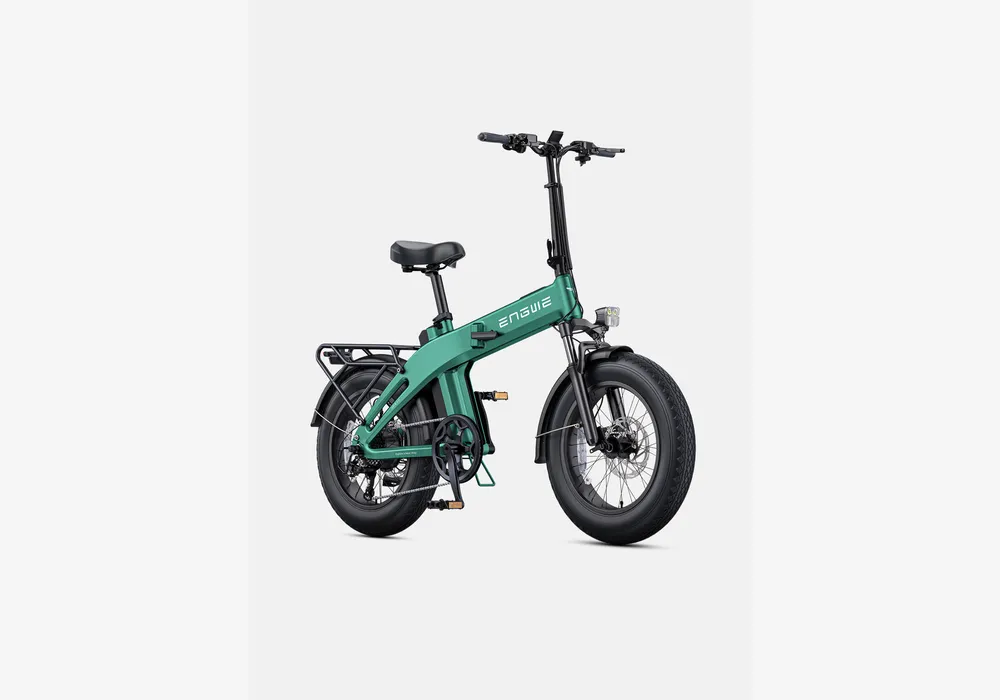
- EP-2 3.0: a lighter step-through commuter with a bigger claimed range in assist mode 1, GPS and 4G features, and UL certification listed.
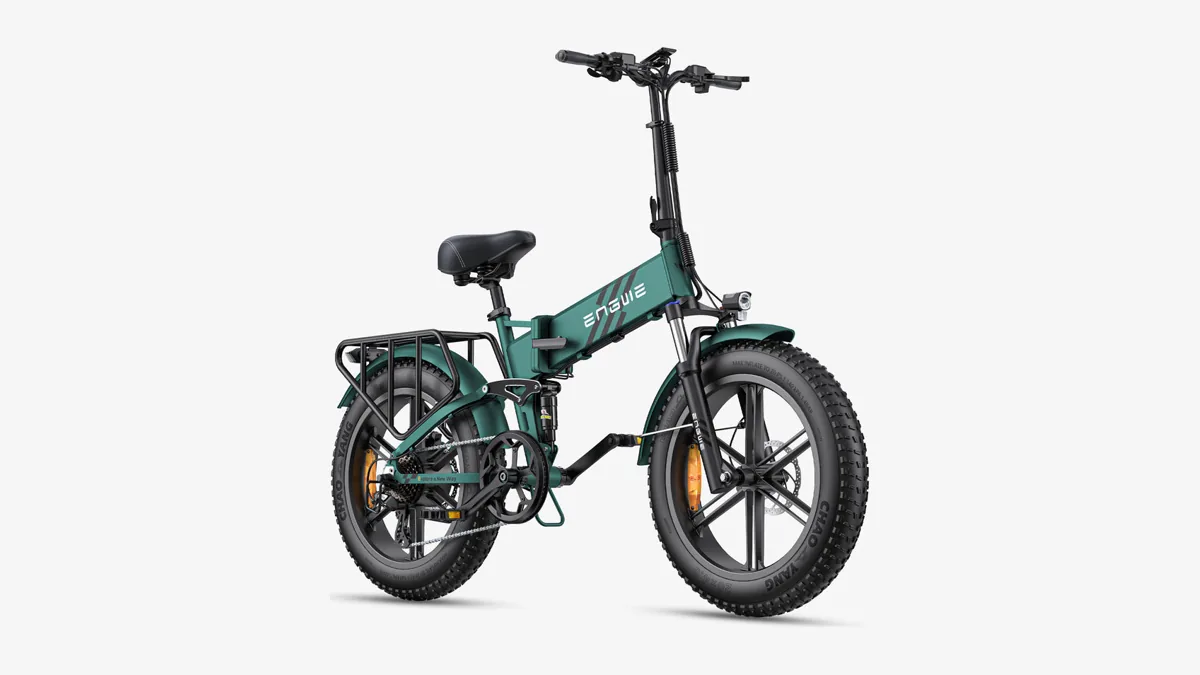
- Engine Pro 2.0: a full-suspension folder with a larger battery pack and a higher torque rating on its own page, built for rougher paths.
Specs side by side (as stated by Engwe)
| Spec (brand claim) | EP-2 3.0 | Engine Pro 2.0 |
|---|---|---|
| Motor | 750W rated, 1500W peak hub motor | 750W rated, 1200W peak hub motor |
| Torque | 90 Nm | 75 Nm |
| Battery | 48V 15Ah (720Wh), 21700 cells | 52V 16Ah (about 832Wh by our arithmetic) |
| Top speed | 28 mph (varies with rider weight and conditions) | 20 mph in throttle mode, 28 mph in pedal assist |
| Claimed range | Up to 65 miles in pedal assist mode 1 | 68 miles in pedal assist, 30 miles in throttle mode |
| Frame | Step-through magnesium alloy, integrated battery, folds | 6061 aluminum, full suspension, folds |
| Suspension | Hydraulic front fork with lockout, 50mm travel | Full suspension (front and rear) |
| Brakes | Tektro hydraulic, dual piston, 180mm rotors | Hydraulic disc, 160mm rotors |
| Gears | Shimano Tourney 7 speed | Shimano Altus 8 speed |
| Tires | 20 x 4.0 inch, 3mm puncture protection layer | 20 x 4.0 inch fat tires |
| Weight | 75.4 lb (34.2 kg) | 69.6 lb (31.6 kg) |
| Max load | 330 lb (both) | |
| Rider height | 5’5″ to 6’2″ | 165 to 190 cm (about 5’5″ to 6’3″) |
| Charging | 54.6V 8A charger | About 6.5 hours |
| Extras | 3.5 inch color display, Bluetooth, GPS and 4G module, IPX4, UL certification | LCD display |
Range numbers are best-case claims: real range depends on rider weight, terrain, assist level and temperature. Watt-hours for the Engine Pro are our own arithmetic (volts times amp-hours).
Engwe EP-2 3.0: the commuter
The EP-2 3.0 has a low step-through frame with the battery built into the frame, a 5 level pedal assist system with a torque sensor, and a hydraulic fork with lockout. The brand lists Bluetooth and a GPS and 4G module, a bright front light with an electric horn, and a rear light that brightens when you brake. On paper it is the better pick for city riding, mixed paved paths and short fold-and-carry trips.
Watch out for: the brand lists a 28 mph top speed and a 1500W peak, so check how your state classifies it. It is also a little heavier than the Engine Pro on paper.
Engwe Engine Pro 2.0: the all-rounder for rough paths
The Engine Pro 2.0 adds rear suspension to the front fork. Engwe says the full suspension system reduces most bumps, and the page lists a larger battery, an 8 speed Shimano drivetrain and fat tires for gravel, sand and snow. The brand lists a lower weight than the EP-2 3.0 (69.6 lb).
Watch out for: the page lists a 20 mph top speed in throttle mode and 28 mph in pedal assist, and the throttle range claim is only 30 miles. The listed brake rotors are smaller (160mm) and the specs do not mention GPS or 4G.
Which one should you pick?
- Daily commuting and city streets: the EP-2 3.0.
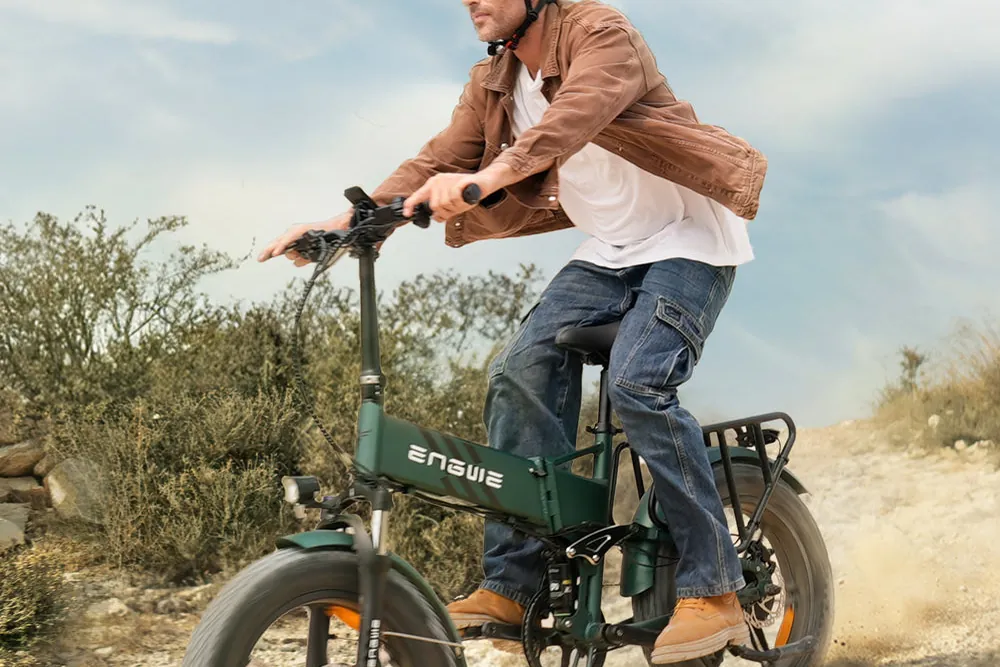
- Gravel, hills and rough roads: the Engine Pro 2.0.
- Tracking and connected features: the EP-2 3.0 lists GPS and 4G.
- Comfort over bumps: the Engine Pro 2.0 for the rear suspension.
For a wider view of the three direct brands, read our Engwe vs Aniioki vs Philodo comparison. Rules about motor power and speed differ by state; see how California defines e-bikes in our California guide.
Discount code
We have an Engwe code, LEMINHQUAN, which the brand’s affiliate dashboard lists as 10% off. Terms, exclusions and expiry can change, so check the brand site for current terms and exclusions before you rely on it.
FAQ
Are both bikes foldable?
Yes. Both are folding frames, and the brand lists the EP-2 3.0 as foldable with a step-through design.
Which has the bigger battery?
The Engine Pro 2.0 (52V 16Ah, about 832Wh by our arithmetic) versus the EP-2 3.0 (48V 15Ah, 720Wh).
Can I ride either one on any trail?
Not necessarily. Local rules vary by trail, city and state, and some paths limit e-bikes by class or speed.
What does the warranty cover?
The Engwe site lists a one to two year warranty and lifetime customer support. Read the full terms on the brand site.
Where to buy
Engwe sells both models directly: see the EP-2 3.0 and the Engine Pro 2.0 on the brand site for current options and prices.
Sources
- Engwe product pages (read 19 October 2026): EP-2 3.0, Engine Pro 2.0.
Last updated: 19 October 2026. Specs and availability can change; check the brand page.
